

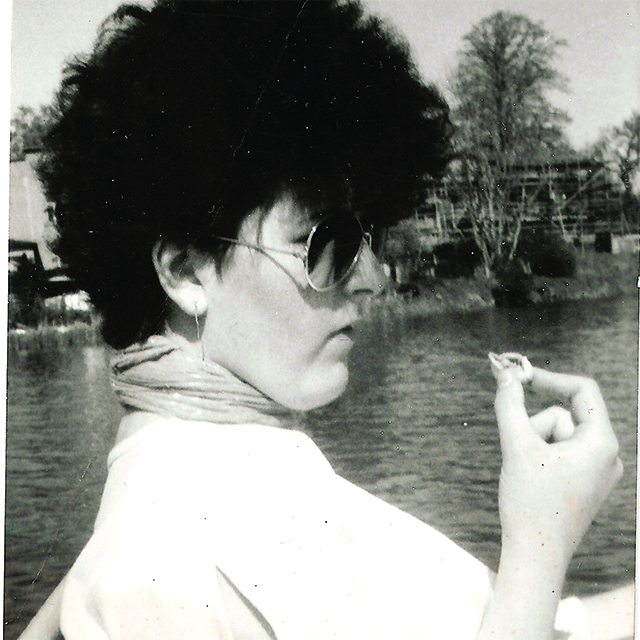
“Young East German woman eating.” Copyright by Bodycrisis, private (IMAGE 6) – Click Image to Continue
By contrast, the interviews I conducted for this research project emphasized the persistence of known quotidian practices. Interviewees maintained that mundane practices of the everyday remained the same, in line with Lefebvre’s analysis that in times of change the everyday is last to change (131). This continuity of practices sanctioned feelings of reliability in a suddenly insecure political environment. It also enabled political participation on a daily basis, for example, by providing reliable childcare to workers so they could convene and rally for political action during the transitions of 1989-90. As a result, interviewees remembered integrating political participation into their daily routines and regimes, rather than substituting known everyday practices with new ones or changing their approach to daily life altogether. This everyday stability enabled societal change through active engagement with a political situation that was perceived as highly precarious, potentially changing the everyday forever.